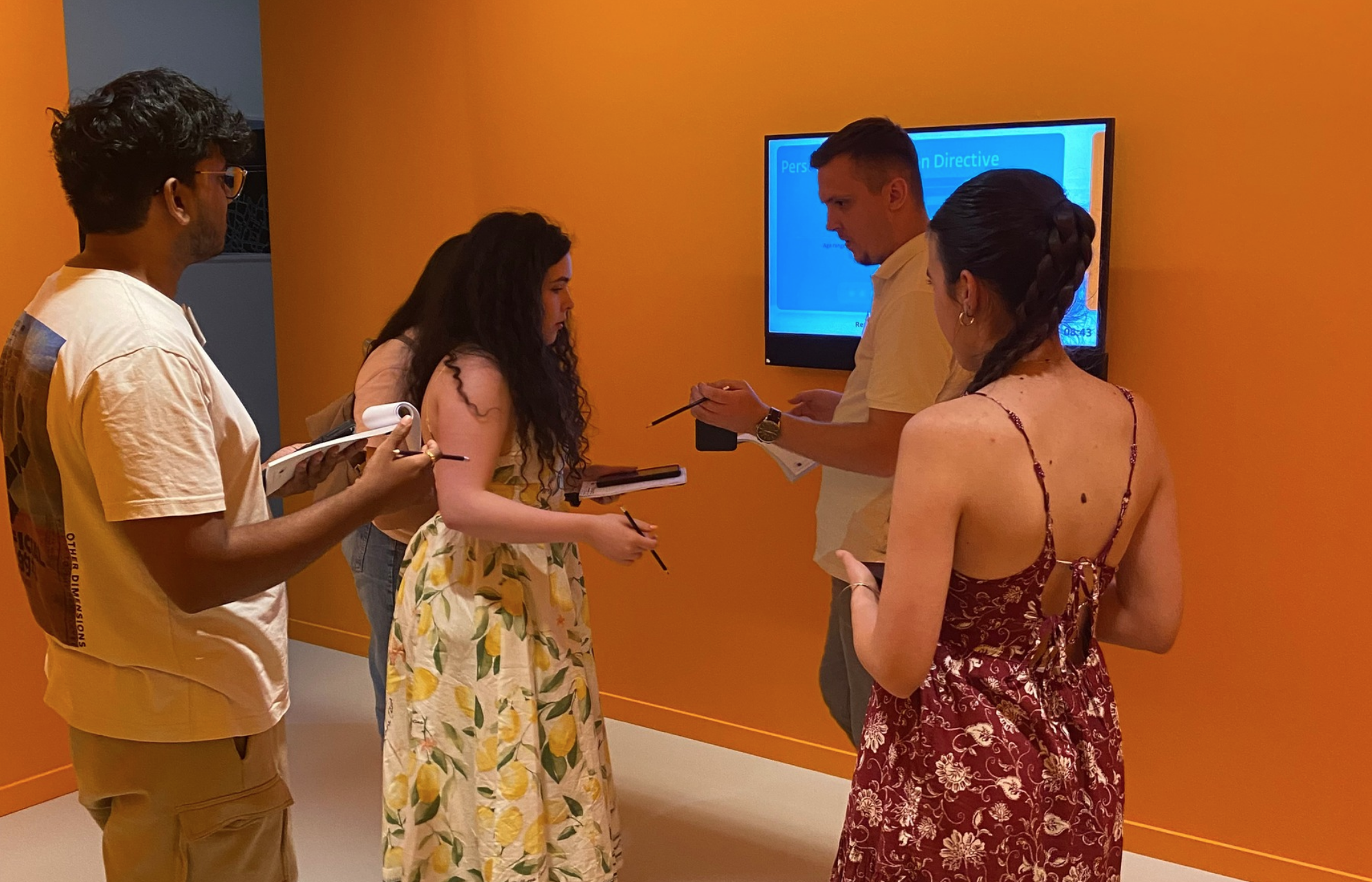
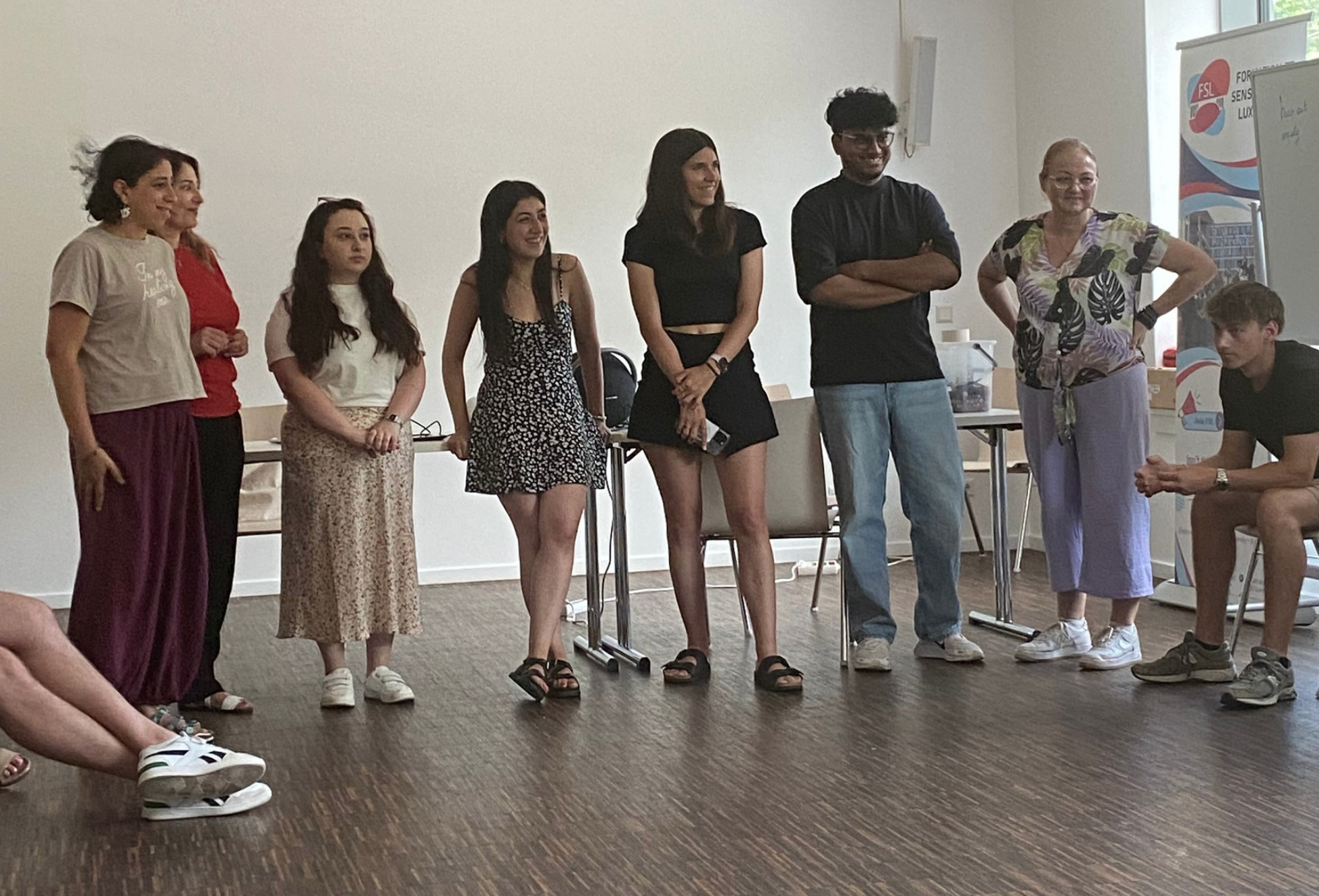
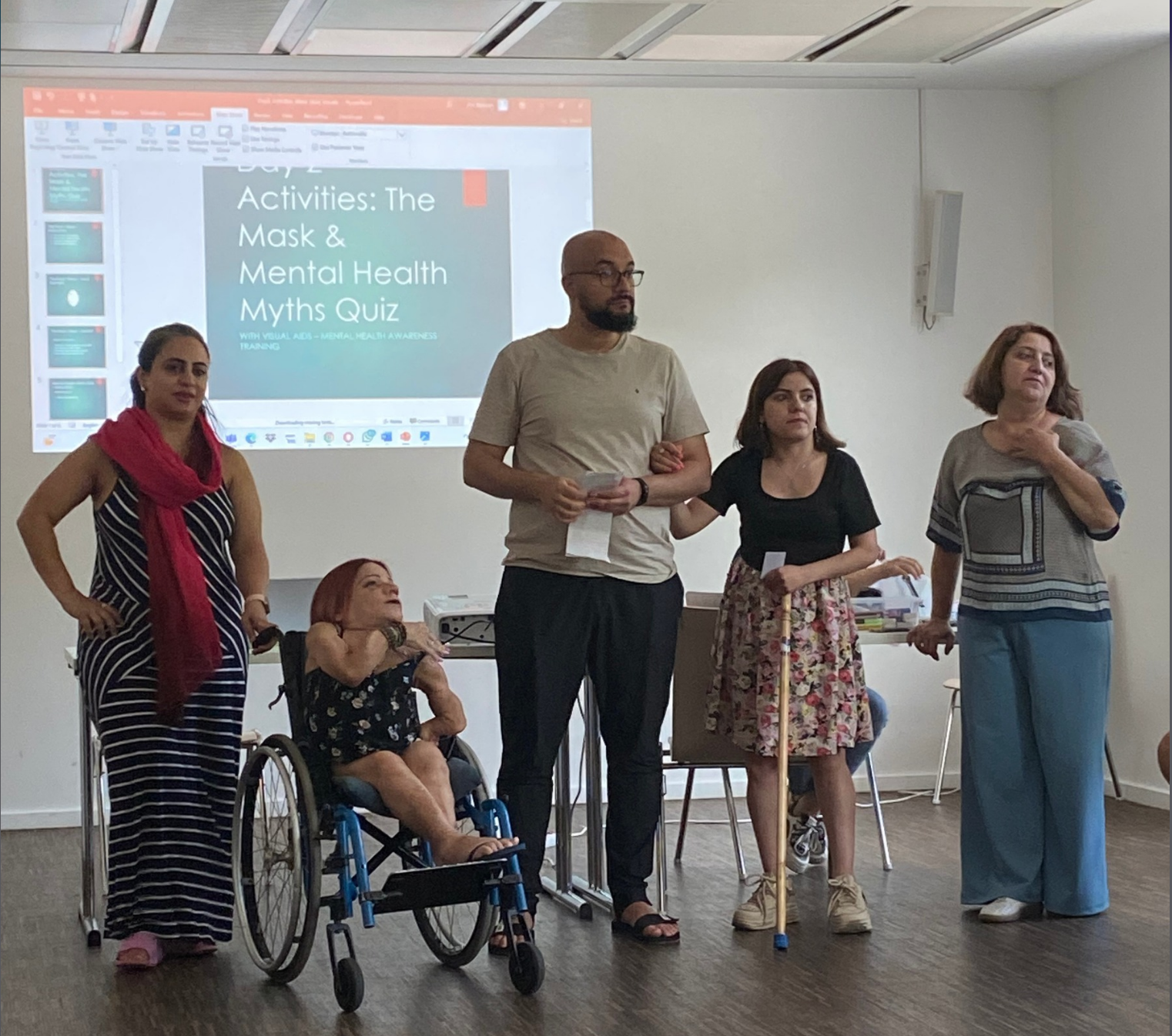
ICSWell – Interconnectedness, Citizenship, Social Health and Well-being took its second part in Esch-sur-Alzette, Luxembourg, from 18 to 26 June 2025. The activity gathered youth workers, educators and social-sector professionals from across Europe.
Formation et Sensibilisation Luxembourg (FSL) continued its long-term training course to help those who work with young people to better understand, promote and support mental health and well-being in their communities. Participants from Belgium, Luxembourg, Armenia, Bulgaria, Cyprus and other countries took part in the project.
ICSWell targets a reality that is more and more impacting on young people and the communities around them: social isolation, work-life imbalance, economic insecurity, forced displacement and the challenges linked to an aging population.
From learning to action
ICSWell explores a reality that is increasingly affecting young people and the communities surrounding them: social isolation, work-life imbalance, economic insecurity, forced displacement and the challenges from an aging population.
In Part 2, there was room for participants to deepen the knowledge and skills acquired in the first stage of the project. They explored practical ways through non-formal education, reflection, group work and intercultural exchange to:
Increase mental health literacy among young people.
Recognize and deal with wellbeing issues.
Develop community-based support systems.
Promote social cohesion and a sense of belonging.
Design initiatives that encourage a more connected society.
The training was especially focused on the role of youth workers and educators. ICSWell supports those working directly with young communities, to create safer, more inclusive spaces where young people can be open and honest, form relationships and get what they need.
Well-being starts with connection
One of the core messages of ICSWell was that you cannot separate mental health from the communities in which people live. A solid support network, meaningful involvement and a sense of belonging can make a real difference for individual and collective well-being.
The training was therefore not only about acquiring new methods for the participants. It was also about taking the time to reflect, listen to each other, and feel the value of an inclusive group. These experiences can later be translated into activities and initiatives for young people on the level of local communities.
This approach forms part of the wider work of FSL and its partners, using education, cultural dialog and civic engagement to build more inclusive societies.
A European network with a local impact
ICSWell was a European collaboration with participants from various backgrounds and provided an opportunity for those involved to share good practice, test new approaches and develop ideas for follow-up action. The long-term format of the project encouraged participants to remain involved after the mobility, supporting continuous learning, networking and cooperation.
Initiatives like ICSWell are a chance for TDM 2000 Belgium to strengthen our commitment to youth empowerment, inclusion and community well-being. The knowledge and inspiration acquired in Luxembourg can be disseminated among young people, youth organisations and local communities in Belgium.