Beyond the Feed: Empowering Youth to Navigate the Digital Age, Barcelona
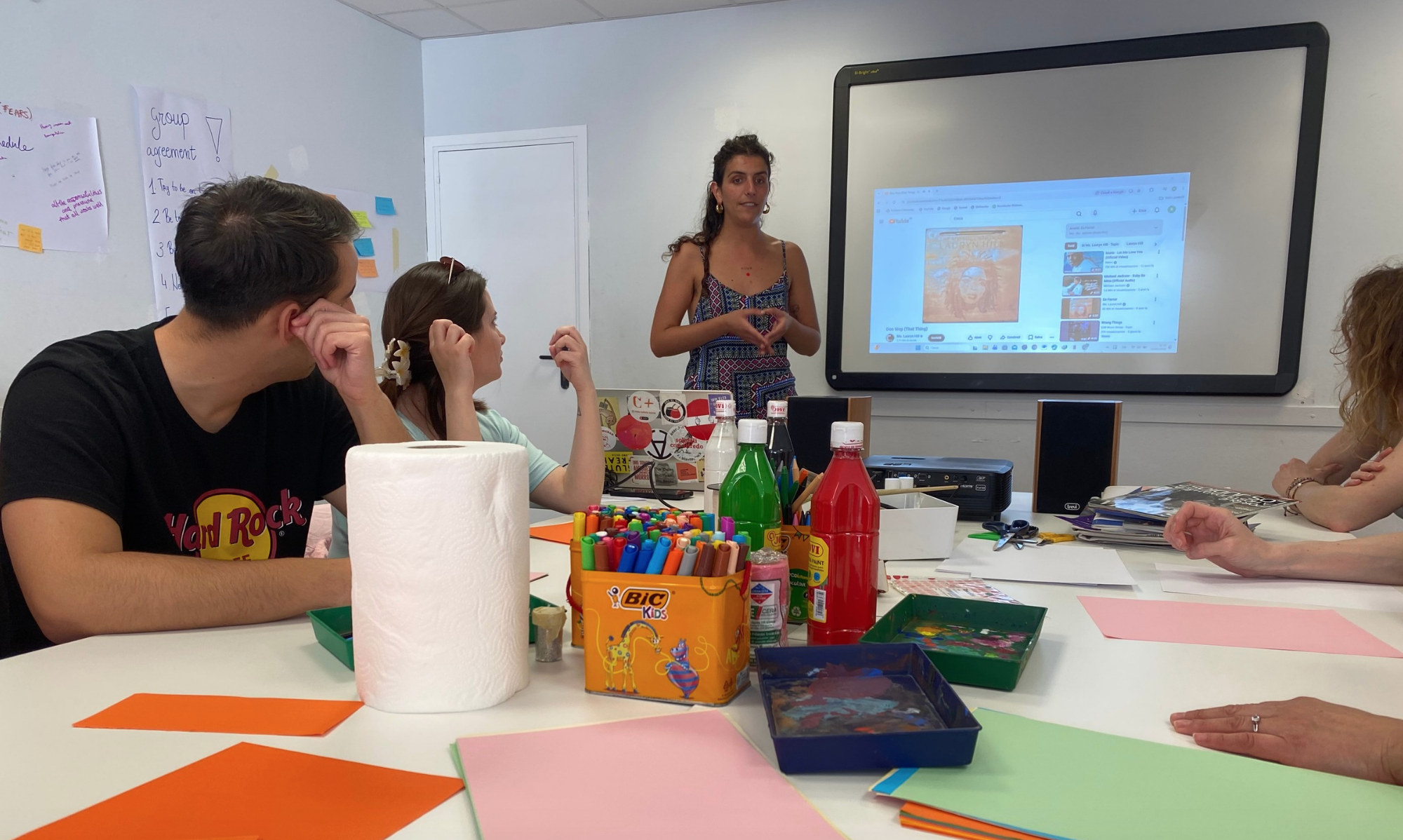
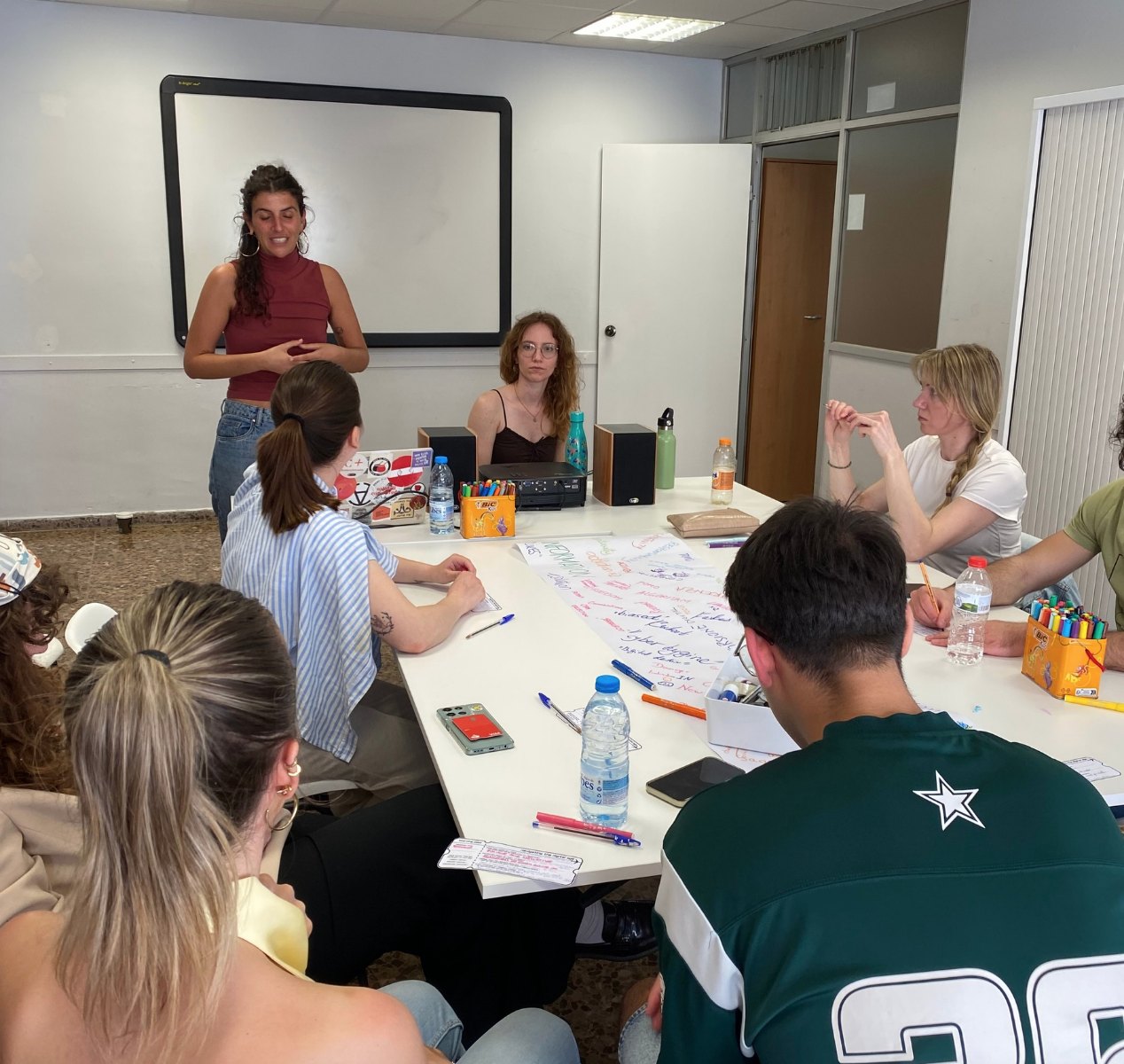
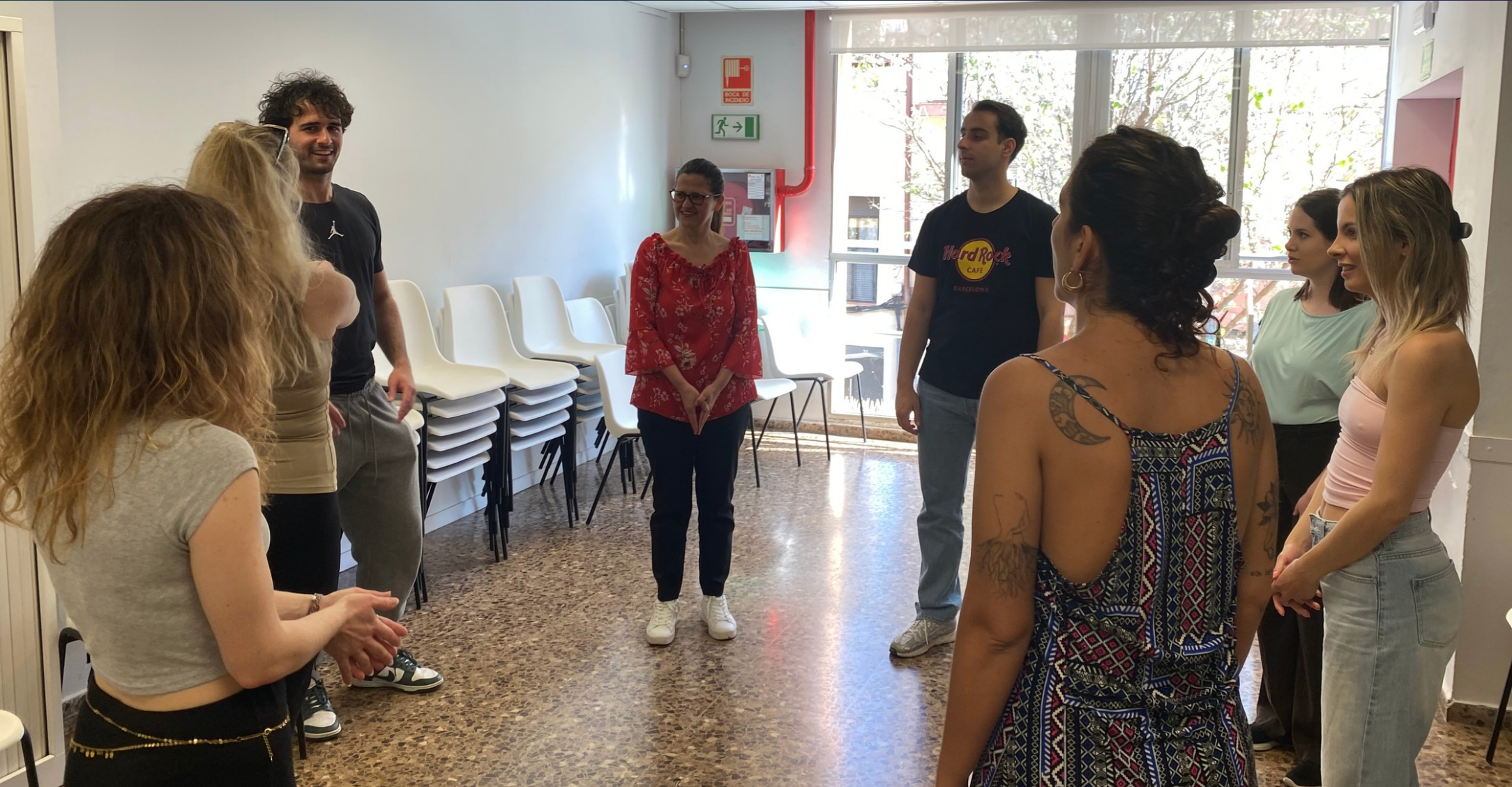
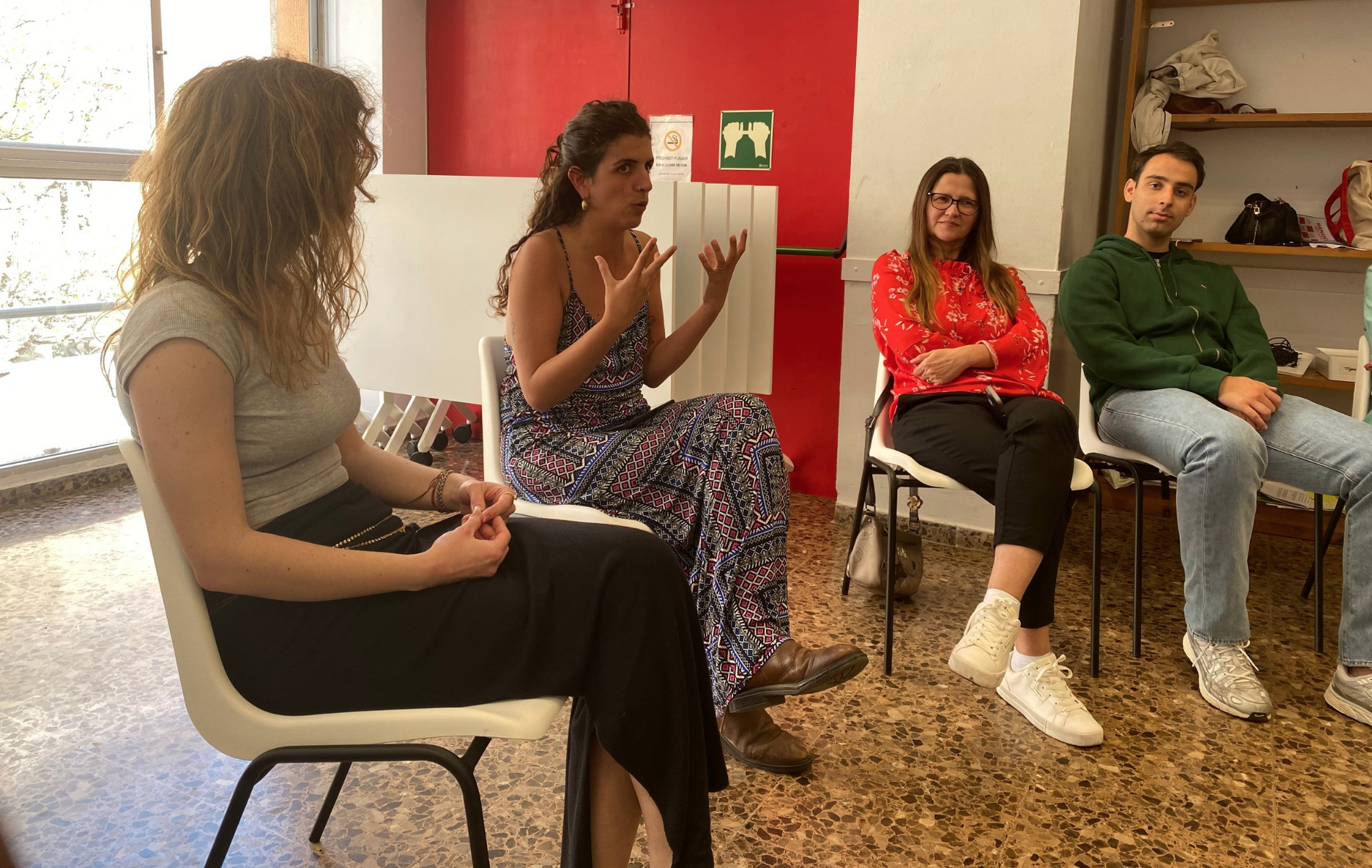
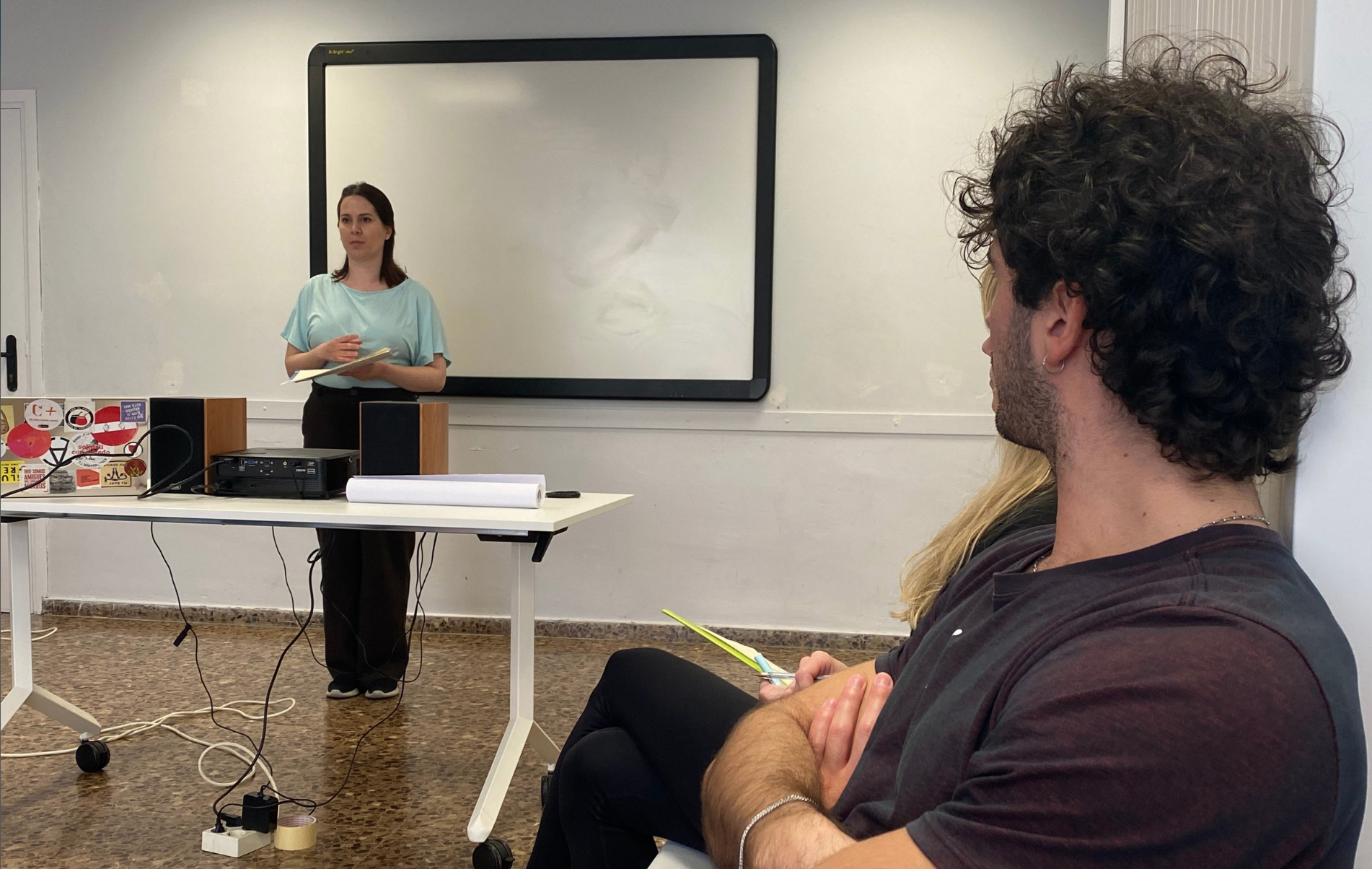
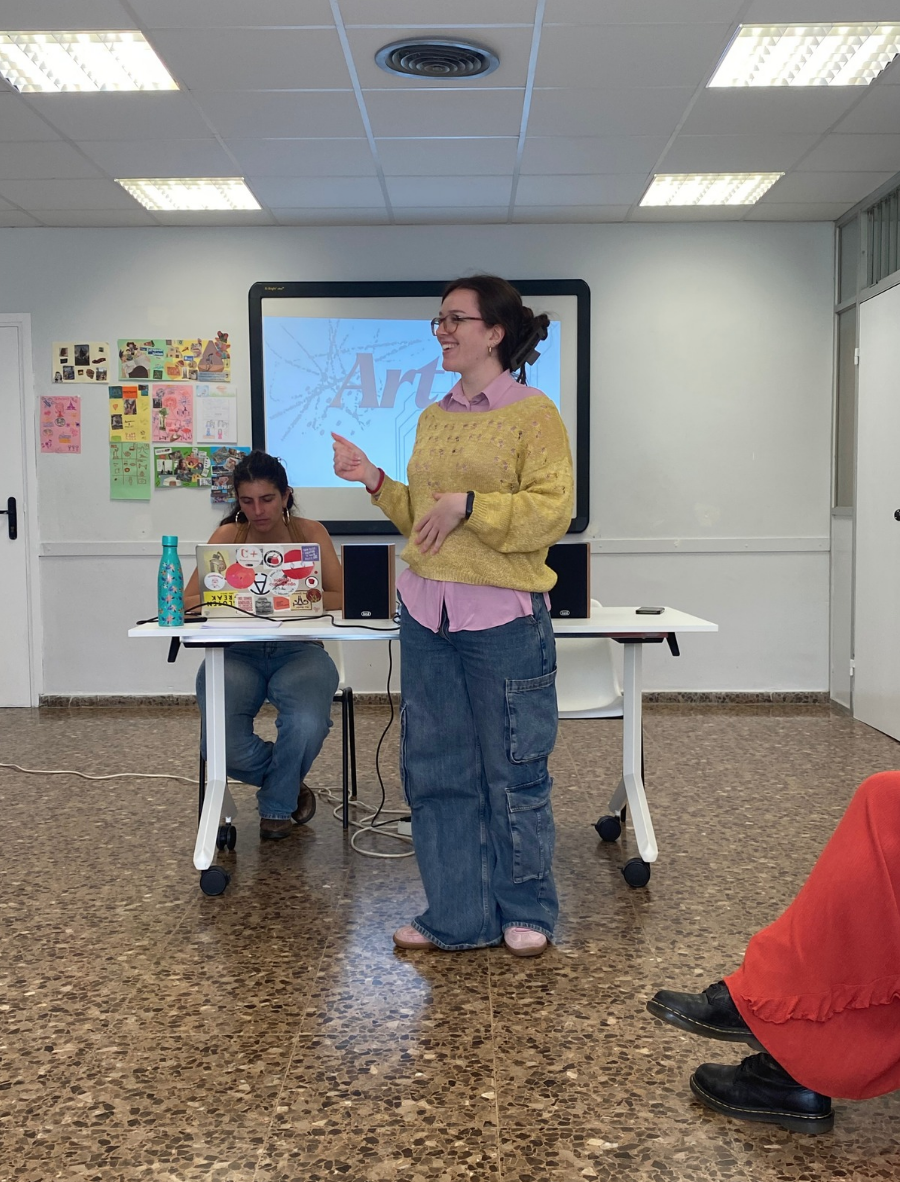
Between 20 and 24 April 2026, young professionals, youth workers and activists from all around Europe came together in Sant Adrià del Besòs, Barcelona. Beyond the Feed: Digital Tools and Disinformation,was an international training course aimed at dealing with the challenges and opportunities of the digital environment.
The event was organised by TACC (Taller d’Art, Cultura i Creació), co-funded by the European Union. It included 10 participants: 8 from various European nations and 2 from among the local professionals, who examined the impact of social media, algorithms, artificial intelligence and disinformation on young people’s ideas and wellbeing.
From Consumption to Creation: Rethinking Digital Engagement
In times when information becomes widespread faster than ever before, young people are not only users but also creators of the content available in digital environments.
The goal of Beyond the Feed was to motivate participants to go beyond passive consumption and engage in the process of being active, reflective and responsible digital citizens.
Among others, the key goals of the project included:
Analysis of the influence of disinformation, social media and artificial intelligence on the values, emotions and democratic engagement of the young generation.
Discovery of the workings of the digital world by analysing algorithms, mainstream media and polarisation online.
Intercultural learning through sharing the experience and methodology of digital literacy across Europe.
Enhancing digital competences through non-formal education to be able to fight against disinformation and think critically.
Creation of tools to ensure healthy digital engagement and activism in local communities.
Consolidation of European cooperation by connecting young people and helping them to understand the EU in their everyday life.
A Week of Learning, Debate and Action
The training course was structured around interactive, participatory and hands-on activities, ensuring that participants not only gained theoretical knowledge but also developed practical skills to apply in their communities.
Dynamic Debates and Critical Analysis
Participants engaged in lively debates on pressing digital issues, such as:
Disinformation in the digital age: How to identify and counter false narratives.
Artificial Intelligence and the arts: Exploring AI’s role in creative processes and its ethical implications.
Political polarisation on social media: Understanding its causes and consequences for democracy.
Mental health and digital life: Promoting balanced and healthy use of social media among youth.
These discussions were grounded in real-life case studies, allowing participants to analyse how disinformation spreads and how it can be effectively challenged.
Creative Workshops: Turning Ideas into Action
The creative workshops offered a chance to create innovative ways to deal with digital issues. By brainstorming and practical exercises, the participants managed to create:
Digital activist campaigns aimed at promoting media literacy.
Strategies to identify and fight misinformation online.
Interactive content (e.g., videos, social media posts) to encourage peers to act responsibly in a digital environment.
Meeting Local Organizations and Initiatives
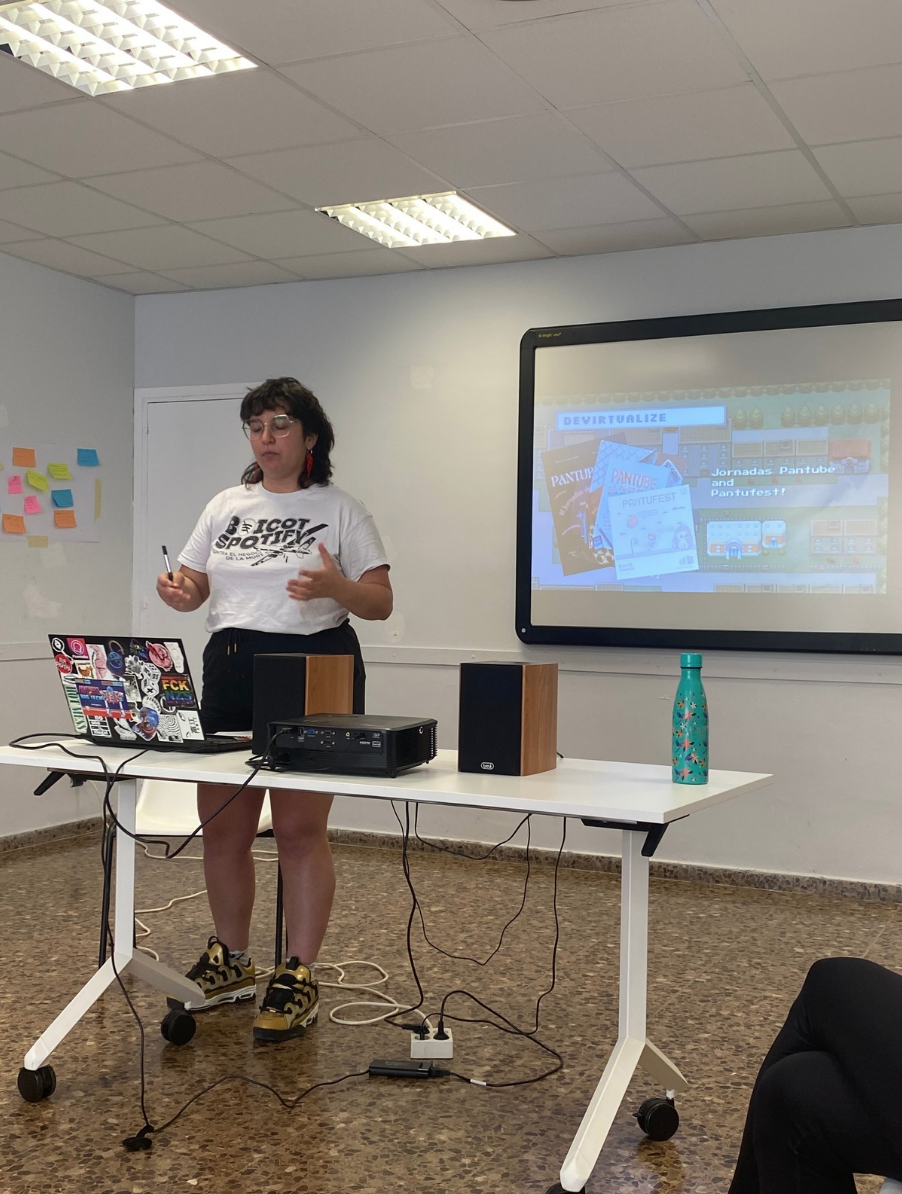
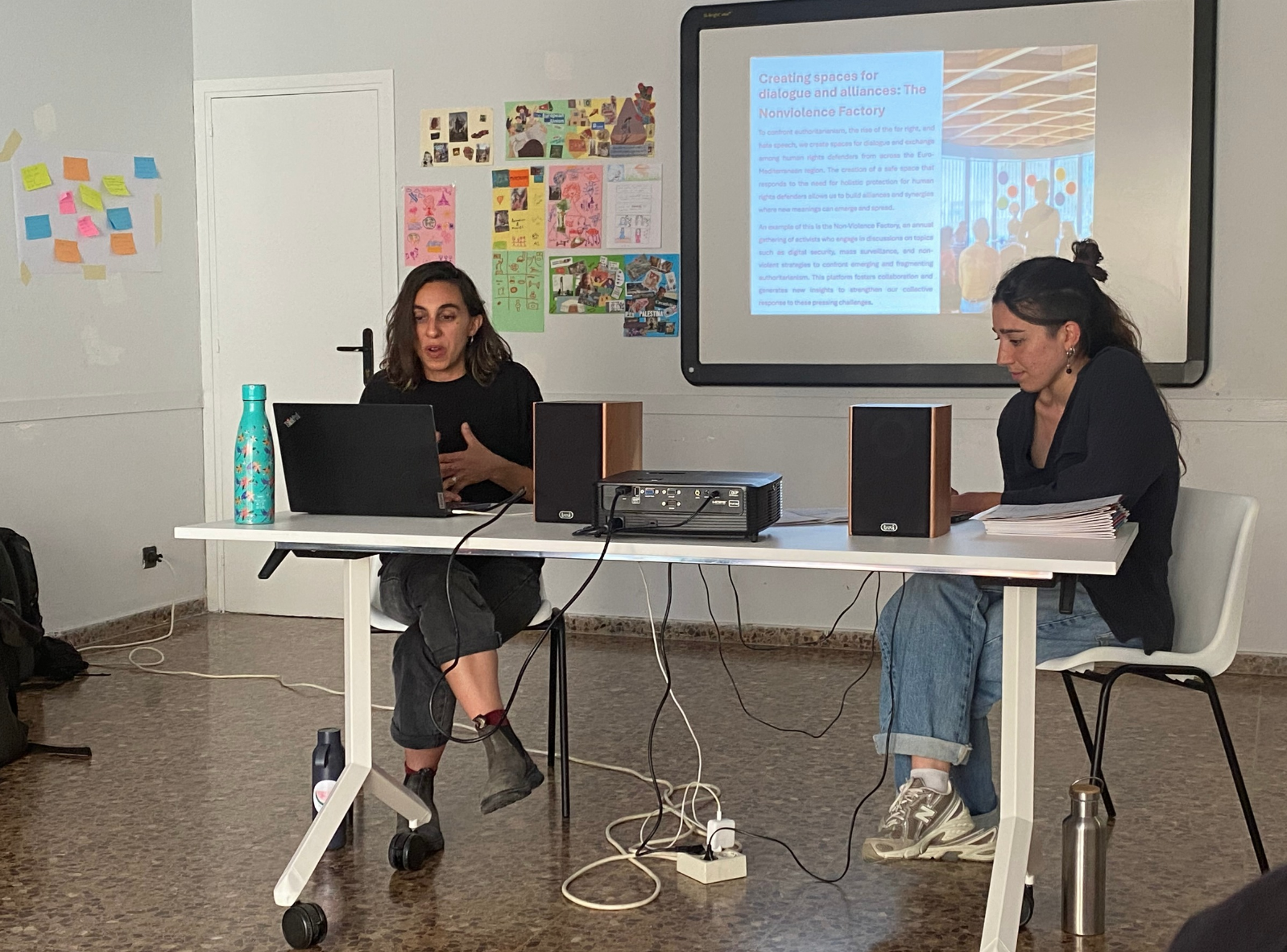
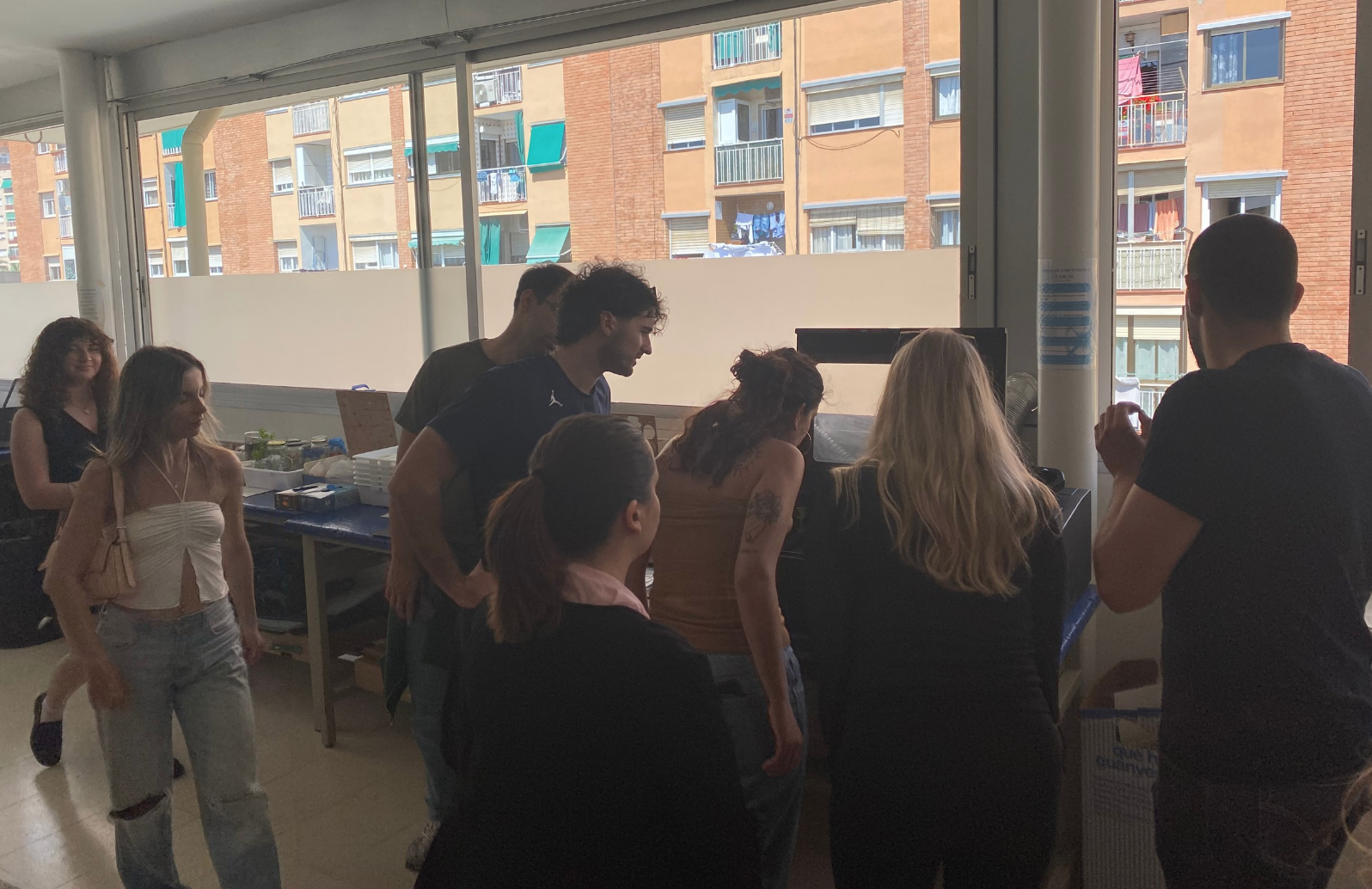
One of the most valuable experiences that the participants could enjoy during the training was meeting local organisations and initiatives. They engage with community-based organisations dedicated to digital activism, youth engagement, human rights and disinformation fights. Thus, participants had an opportunity to learn about digital challenges from local organisations and to find inspiration to use their ideas in practice.
Visit to a High School: Theory Meets Practice
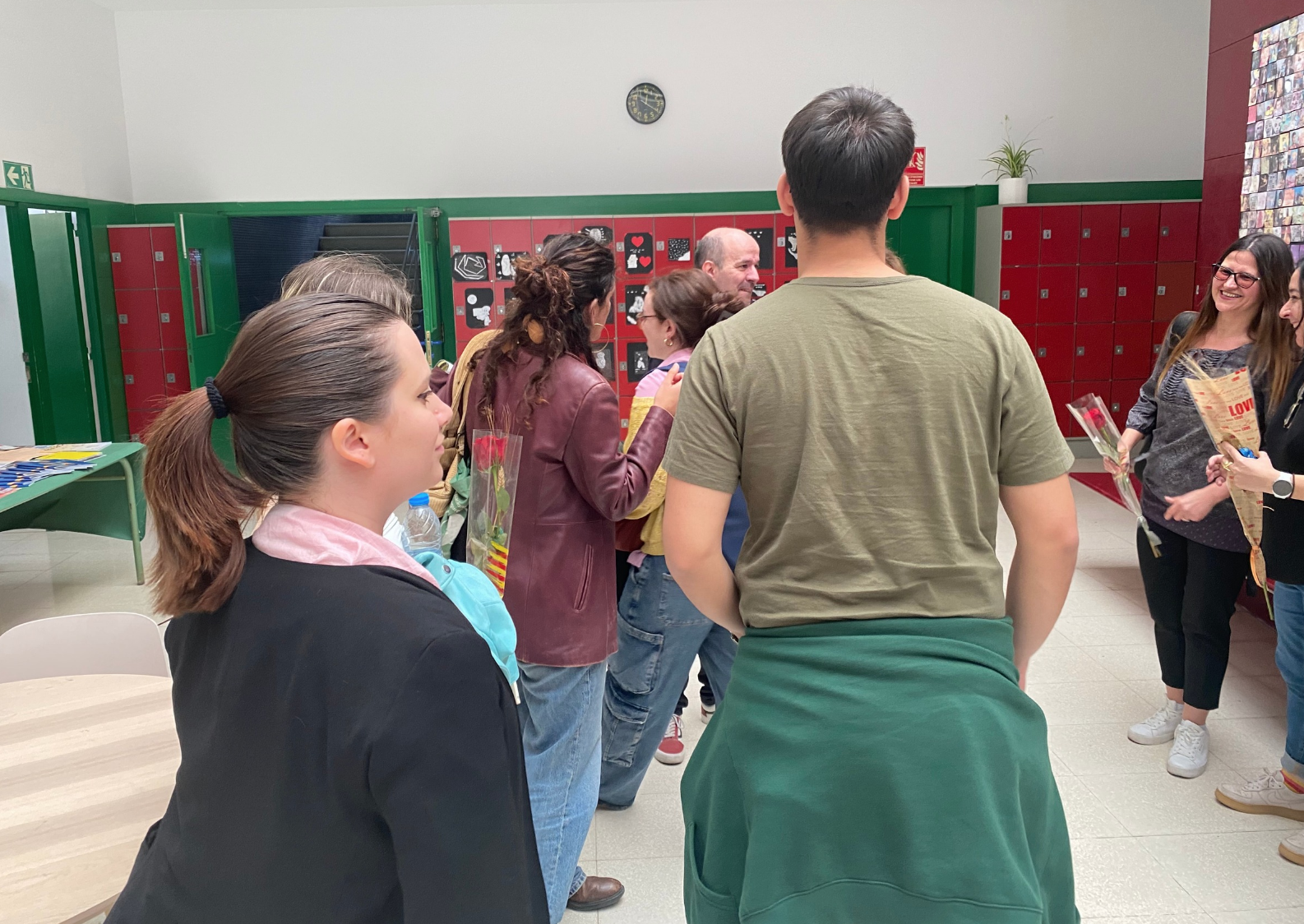
To give more practical experience to the participants, there was a visit to a local high school in Barcelona. At the school, the participants:
Discussed with students and teachers the ban of smartphones in schools, mental health and the use of social media.
Observed interactive workshops aimed at empowering young people to be active and responsible.
This project showed that today’s youth are not passive consumers of digital content. They are also creators, inventors and change-makers. By giving the ability to think critically, learn media literacy and act as digital activists, Beyond the Feed transformed the ideals into practice and created a generation that can effectively maneuver the digital world.