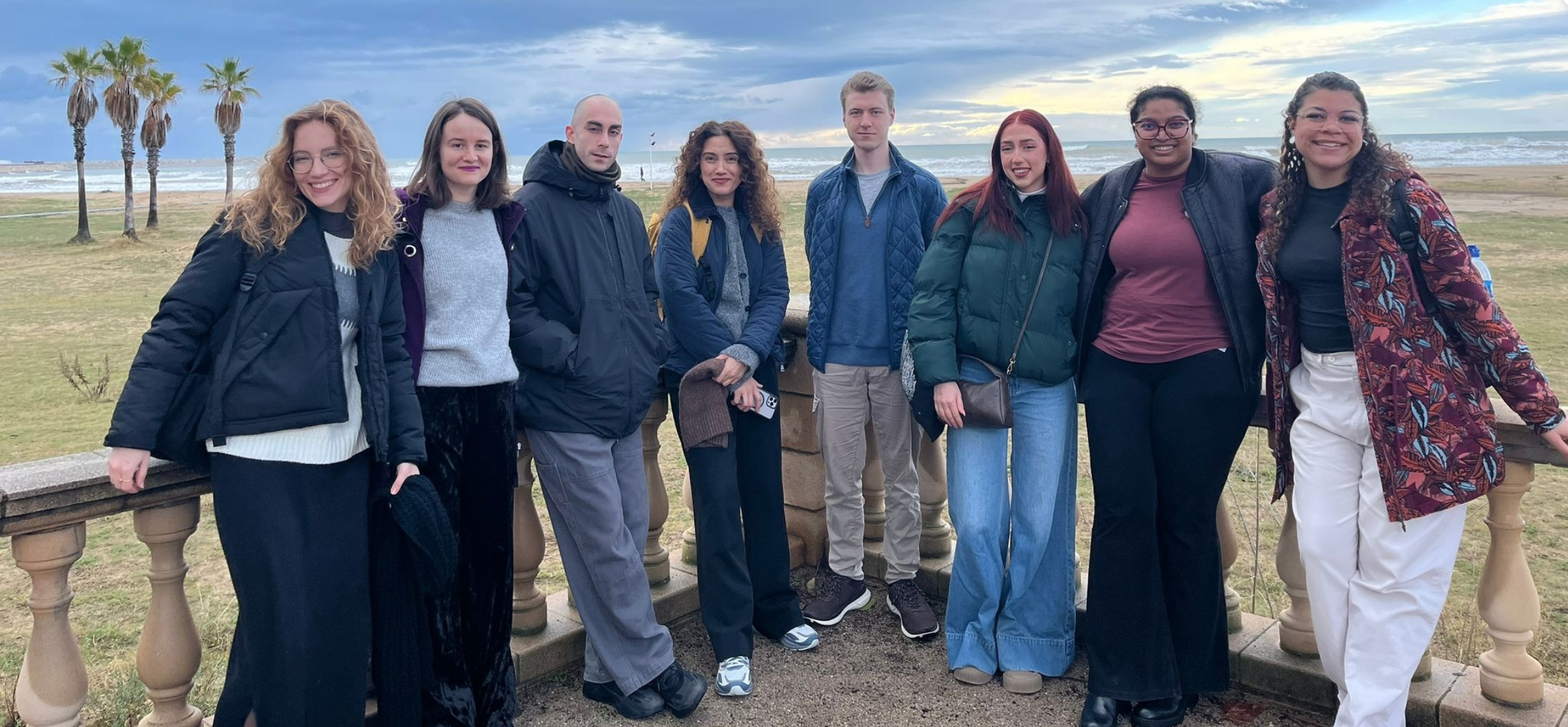
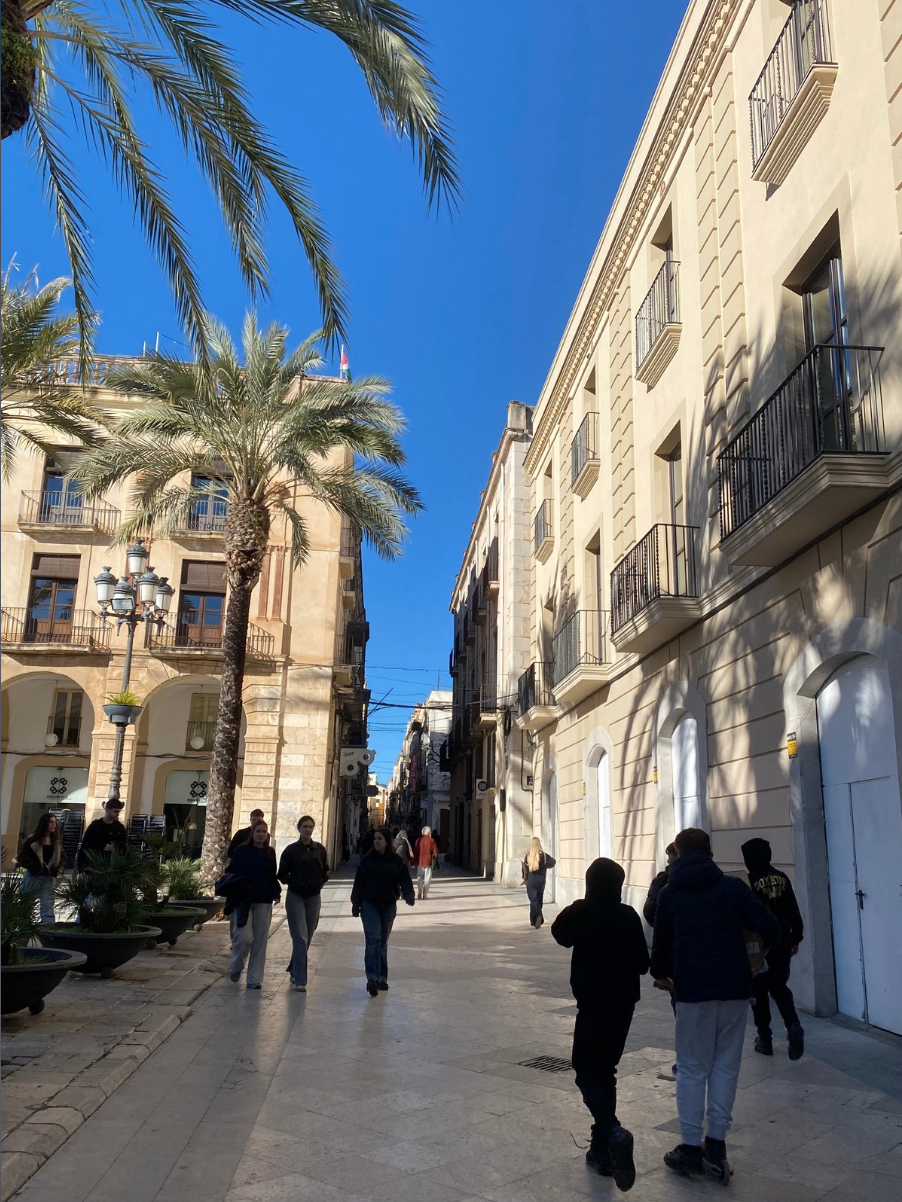
Between 19 and 23 January 2026, young people and youth workers from across Europe came together in Vilanova i la Geltrú (close to Barcelona) for Thrive Together: Mental Health and Diversity, a training course on the intersections between mental health, diversity and social inclusion.
The project, organised by TACC (Taller d’Art, Cultura i Creació) and co-financed by the European Union, brought together 10 participants, 8 from different European countries and 2 local professionals, to exchange knowledge, break stereotypes and create innovative solutions for emotional wellness and inclusive communities.
From Awareness to Action
Thrive Together’s emphasis on the inherent link between mental health, diversity, social inclusion and community well-being. The project was designed to help participants see how mental health can transform human relationships, reduce stigma and create social change based on empathy.
Through non-formal education, intercultural exchange, and collaborative activities, participants explored key themes such as:
Emotional awareness and resilience building as basis for individual and social development.
Reducing stigma and breaking down stereotypes around mental health and diversity
The use of art for emotional expression, employing creative methods to enhance well-being and empowerment.
Gender and Mental Health: How Cultural Expectations Influence Emotional Expression
Mental health in immigrant and refugee communities, intersectional issues such as migration, discrimination and identity.
The training highlighted how well-being and inclusive dialogue can contribute to building equality, social cohesion and stronger communities through the lens of everyday interactions and invisible challenges.
Vilanova i la Geltrú as a Hub for Learning
The training happened at Vilanova i la Geltrú, a municipality just 40 km from Barcelona. It provided us with an engaging environment where we could learn and interact with local organization. This gave us the chance to experience and learn about the initiatives that are happening there in the region.
We also got the chance to be in contact with the cultural and social environment of the region.
Mental Health as a Foundation for Inclusion
One of the key points conveyed by Thrive Together is that diversity and mental health cannot be viewed separately from one another. An environment where everybody feels understood, listened to, and appreciated can contribute both to an individual’s well-being and to the overall strength of a community.
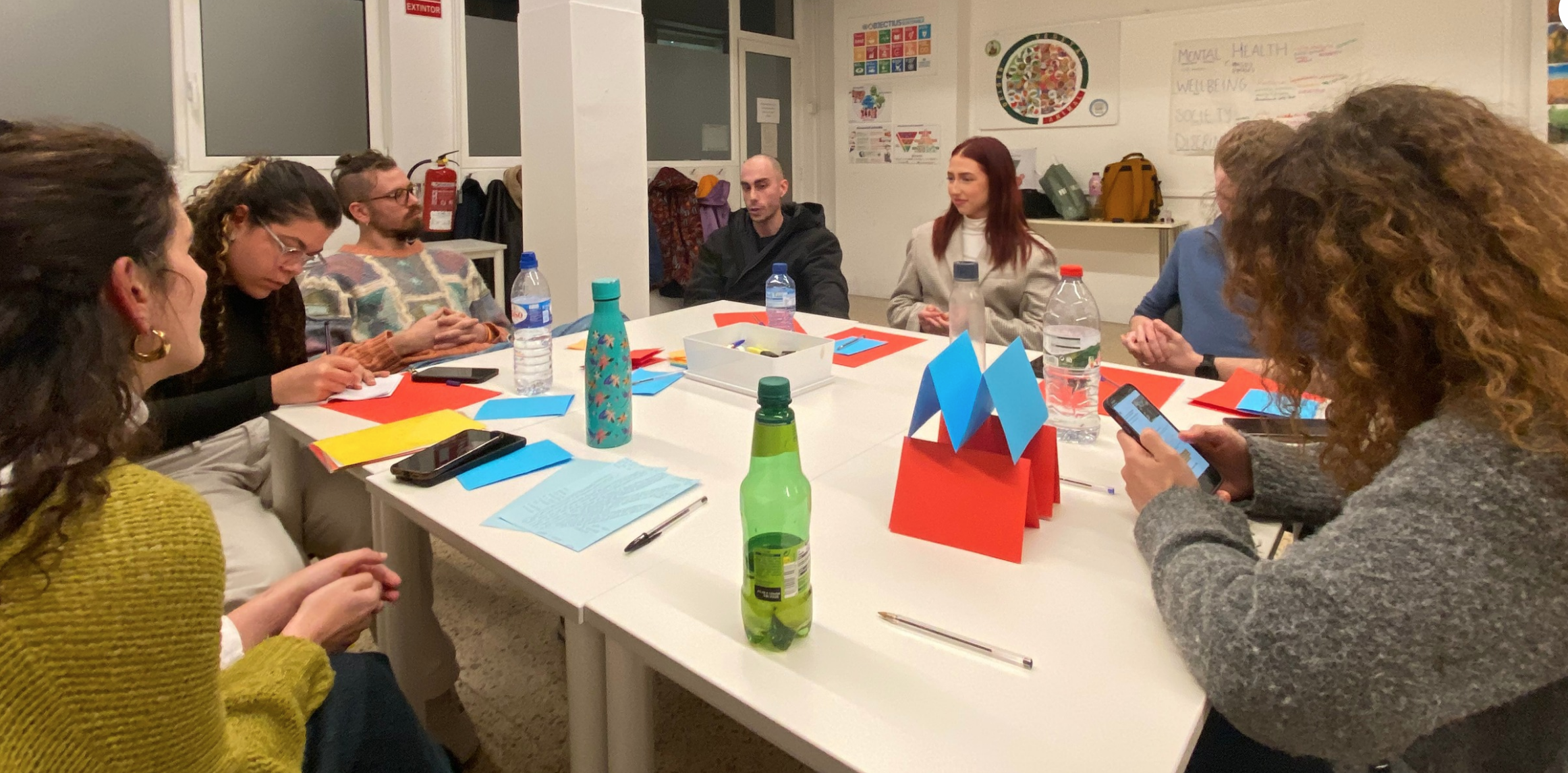
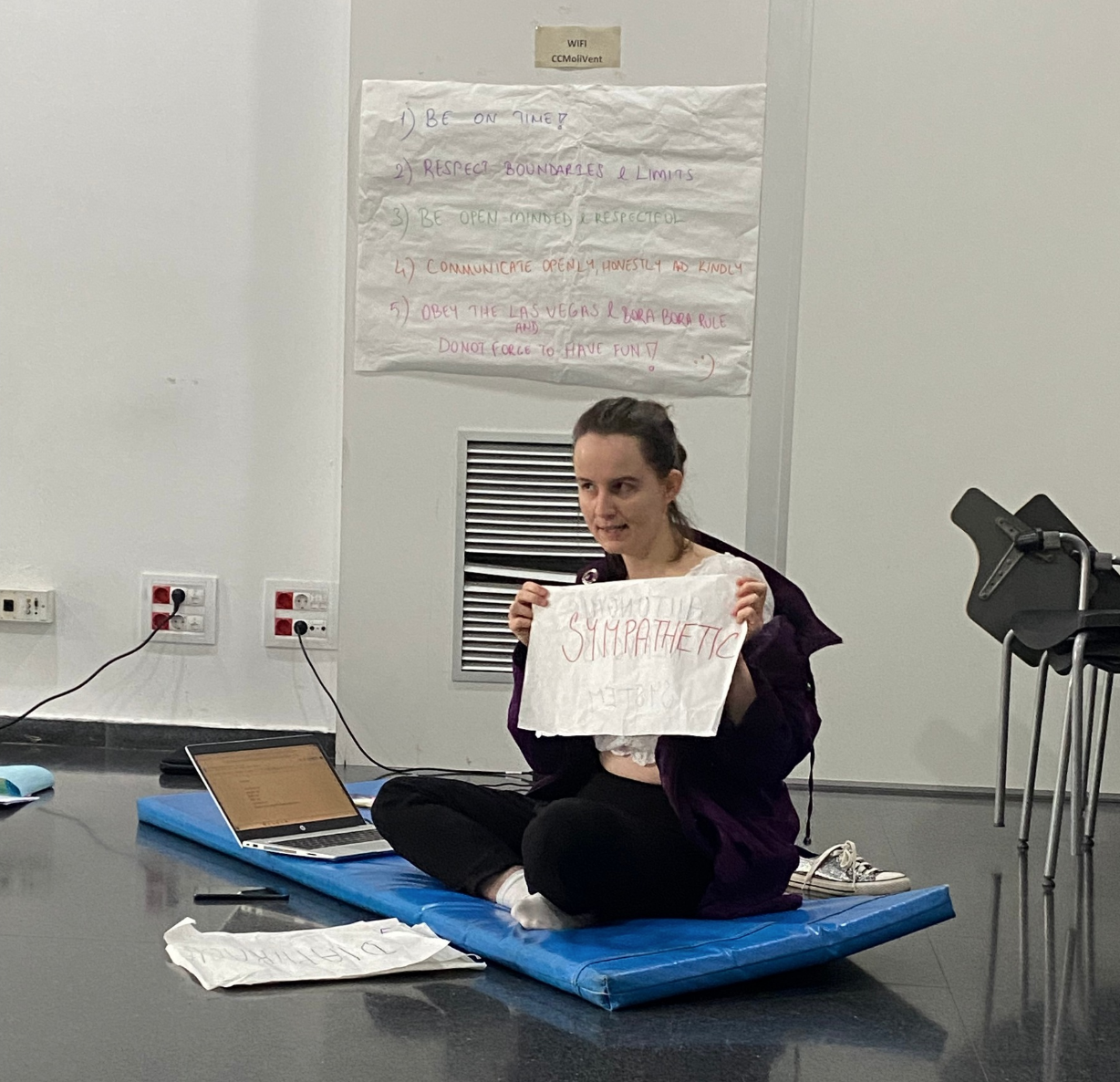
During the training, participants were not only able to gain new knowledge but also reflect on their own values, exchange experiences, and learn how to run well-being projects in their communities. The program included:
Workshops on how to incorporate emotional well-being into youth projects through mental health training.
Labs on using creative activities as a means for emotional self-expression and development.
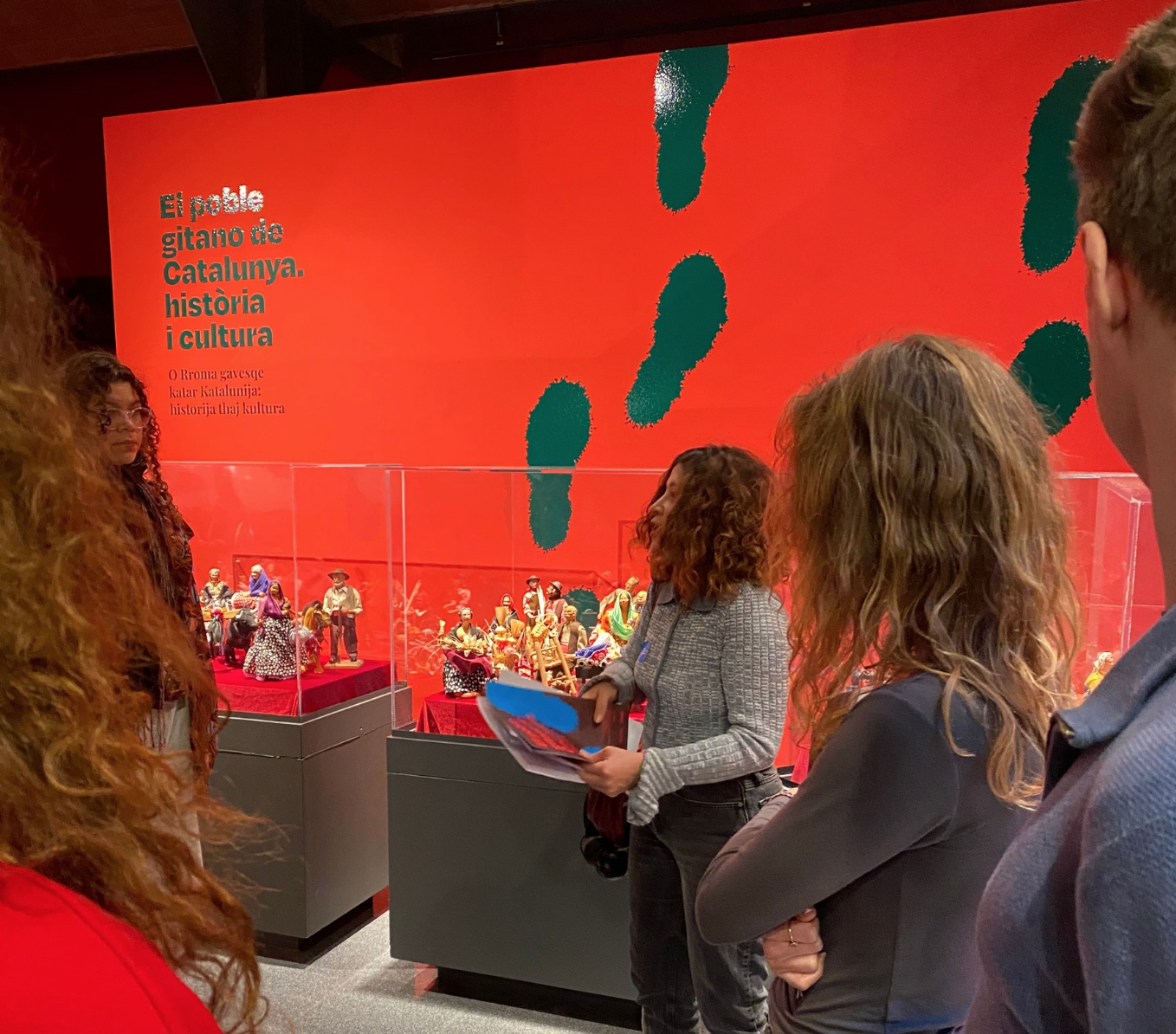
Visits to professionals in the field and debates on intersectional approaches to mental health.
Compilation of strategies and good practices in working with the emotional well-being of young people through creating a booklet.
All these allowed participants to get new skills and build new contacts.
European Network for Change
Thrive Together gathered various institutions such as TDM 2000 Belgium, Aristoteles (Greece), Brno for You (Czech Republic), Scambieuropei ETS (Italy), Tavo Europa (Lithuania), Mais Cidadania (Portugal), Asociatia Sanatate pentru Viata (Romania) and KALITTO (Türkiye). This cooperation allowed a great flow of knowledge, tools and best practices to take place, which improved the skills of the youth workers in dealing with mental well-being and diversity.
For TDM 2000 Belgium, Thrive Together confirmed our belief in youth empowerment and mental well-being. The acquired knowledge and inspiration from Vilanova i la Geltrú can be used for the benefit of young people in Belgium.
Thrive Together showed that mental well-being and diversity are not individual issues but rather the building blocks of better communities. Through engaging with youth workers and supporting cross-border cooperation, the project was able to translate those principles into tangible actions within each community.